
- 0
- 840 words
Termites are among the most destructive pests that can affect a home, especially properties built with timber. These tiny insects quietly feed on wood from the inside, often remaining hidden for months or even years before homeowners notice obvious signs of damage. Because termites work silently, they can weaken wooden structures long before serious problems become visible.
The biggest challenge with termites is that early infestation often looks harmless. A few small warning signs may seem unimportant at first, but ignoring them can eventually lead to weakened floors, damaged walls, unsafe roof beams, and expensive structural repairs.
The good news is that termite damage is often preventable when infestation is detected early. Learning to recognize warning signs and inspecting wooden structures regularly can help homeowners stop termites before major damage develops.
Many homeowners researching timber care through shashel.eu/ understand that early termite detection is one of the smartest ways to protect wooden homes and reduce repair costs.
In this guide, we will explain how to detect termites before serious damage occurs and what warning signs homeowners should never ignore.
Why Early Termite Detection Matters
Termites rarely cause instant damage.
Instead:
They slowly weaken timber over time
Because they usually stay hidden inside:
- Walls
- Floorboards
- Roof beams
damage may continue unnoticed.
Why Early Detection Helps
Finding termites early can:
- Reduce repair costs
- Protect structural timber
- Prevent infestation from spreading
Small problems are easier to manage.
Fast action matters.
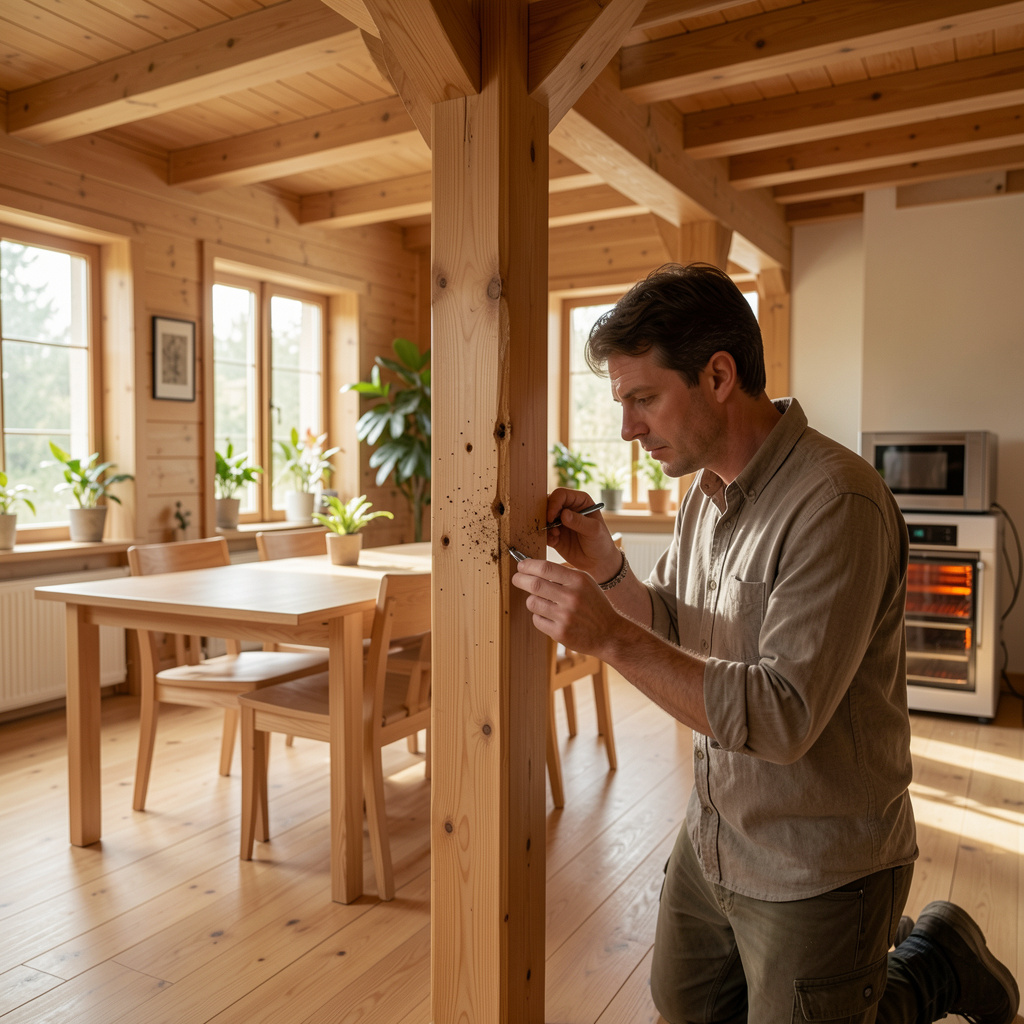
Look for Hollow-Sounding Wood
One of the most common warning signs is hollow timber.
Why This Happens
Termites feed from the inside out.
Wood may still look normal outside while becoming weak internally.
Simple Test
Gently tap wooden surfaces.
Healthy wood sounds:
- Solid
Damaged timber may sound:
- Hollow
Pay close attention to:
- Floorboards
- Roof beams
- Wooden walls
Hidden damage often begins quietly.
Check for Mud Tubes
Termites often build mud-like tunnels.
Termite
Why Mud Tubes Matter
These tunnels help termites:
- Stay protected
- Retain moisture
Common Places to Check
Inspect around:
- Foundations
- Wooden walls
- Crawl spaces
Mud tubes are often one of the clearest warning signs.
Never ignore them.
Many homeowners researching timber care through shashel.eu understand that mud tubes frequently signal hidden termite activity.
Watch for Weak or Soft Timber
Healthy wood should feel firm.
Warning Signs Include
Timber that feels:
- Soft
- Weak
- Fragile
may indicate hidden termite activity.
High-Risk Areas
Inspect:
- Window frames
- Door frames
- Structural beams
Weak timber deserves attention.
Inspect for Cracks in Walls or Wood
Unusual cracks may appear when timber weakens.
Why Cracks Matter
Termites may damage internal wood supports.
This can affect:
- Wooden walls
- Flooring
Areas Worth Inspecting
Check:
- Ceiling corners
- Wooden trim
Small cracks should never be ignored.
Watch for Sagging Floors or Ceilings
Severe infestation may weaken support timber.
Warning Signs Include
- Uneven flooring
- Sagging ceilings
Why This Matters
Structural wood may be weakening.
Immediate inspection becomes important.
Never delay action.
Look for Small Holes or Surface Damage
Some termite activity causes visible wood changes.
Warning Signs Include
- Small openings
- Rough surfaces
Although termites often stay hidden:
Visible changes deserve investigation.
Routine checks improve early detection.
Check for Discarded Wings
Some termites shed wings during swarming season.
Why Wings Matter
Discarded wings may signal:
- New termite activity nearby
Common Places to Check
Look near:
- Windows
- Doors
- Light sources
Repeated sightings deserve attention.
Listen for Unusual Sounds
Sometimes termites create quiet noises.
Sounds to Watch For
You may hear:
- Faint clicking
- Soft tapping
Why This Happens
Termites sometimes communicate inside wood.
Repeated sounds should not be ignored.
Hidden spaces deserve attention.
Watch for Moisture Problems
Termites thrive in damp environments.
Why Moisture Matters
Damp timber becomes:
- Softer
- Easier to damage
Common Moisture Sources
Inspect for:
- Roof leaks
- Plumbing leaks
- Condensation
Dry wood naturally discourages infestation.
Moisture control matters.
Inspect Hidden Areas Carefully
Termites often remain unseen.
High-Risk Hidden Spaces Include
- Attics
- Crawl spaces
- Basements
Why Hidden Inspection Matters
Infestation may continue unnoticed for years.
Routine inspection improves prevention.
Small warning signs matter.
Schedule Regular Professional Inspections
Experts can identify hidden activity early.
Professionals May Detect
- Structural weakness
- Moisture problems
- Hidden infestation
This is especially useful for:
- Older wooden homes
Early detection saves money.
Common Mistakes Homeowners Make
Ignoring Small Signs
Minor symptoms may indicate larger hidden problems.
Delaying Inspection
Damage spreads quietly over time.
Ignoring Moisture Problems
Dampness attracts termites.
Assuming No Visible Damage Means No Problem
Hidden infestation often remains unseen.
Routine care improves protection.
How to Reduce the Risk of Termites
Keep Timber Dry
Dry wood discourages pests.
Improve Ventilation
Healthy airflow reduces humidity.
Seal Cracks and Openings
Reduce termite access.
Inspect Wood Regularly
Frequent checks matter.
Prevention works best.
Conclusion
Detecting termites before serious damage occurs is one of the best ways to protect wooden homes and avoid expensive repairs. Because termites quietly weaken timber from the inside, homeowners should watch for warning signs such as hollow wood, mud tubes, weak timber, cracks, sagging floors, discarded wings, and moisture problems.
Regular inspections, proper ventilation, moisture control, and fast action when symptoms appear can significantly reduce the risk of severe structural damage.
Author

admin@portal-national.com
Related Posts
Residential Garage Storage Ideas That Actually Work
- 0
- 1,369 word
A garage can quickly become the catch-all space for tools, sports equipment, seasonal decorations, household supplies, and everything else that does not...
Read out all
Natural vs. Synthetic Wood Pest Treatments Compared
- 0
- 1,083 word
Wooden structures and furniture are prized for their beauty, durability, and timeless appeal. However, they are also vulnerable to wood-boring insects such...
Read out all
How to Select the Right Wristbands for Successful Events
- 0
- 853 words
Planning an event involves many details, and access control is one of the most important. Whether you are organizing a festival, school...
Read out allHoney Badger Gun Platform Complete Guide to Modern Compact Firepower
- 0
- 842 words
The modern firearms world continues to evolve with lightweight engineering, suppressed performance, and compact platforms designed for efficiency. Among these, the Honey...
Read out allA Practical Guide to Choosing the Right Family Dentist for Lifelong Oral Health
Finding the right dental care provider for your household can shape your long-term health and comfort. A trusted Family Dentist plays a...
Read out allNiğde LEED Danışmanlık Firmaları – Uzman Şirketler
Niğde, gelişen sanayi altyapısı, yeni kamu yatırımları ve artan ticari projeleriyle sürdürülebilir yapılaşma açısından potansiyelini her geçen gün artıran şehirlerden biridir. Bölgenin...
Read out all